Home applications services discovery services
hero-discovery-1200w Hero Discovery Mobile

Your discovery program, accelerated—together.

Flexible 3D model development and scientific support designed to scale with your goals.

At Inventia Life Science, we partner with scientific teams to help move faster—toward the data that matters. Whether you’re looking to screen therapies, explore patient-specific responses, or build models to study disease progression, our Discovery Services give you direct access to the tools, expertise, and support to get there.

From assay-ready 3D models to full workflow integration, every engagement is built to meet your needs—so you can move with clarity, confidence, and speed.


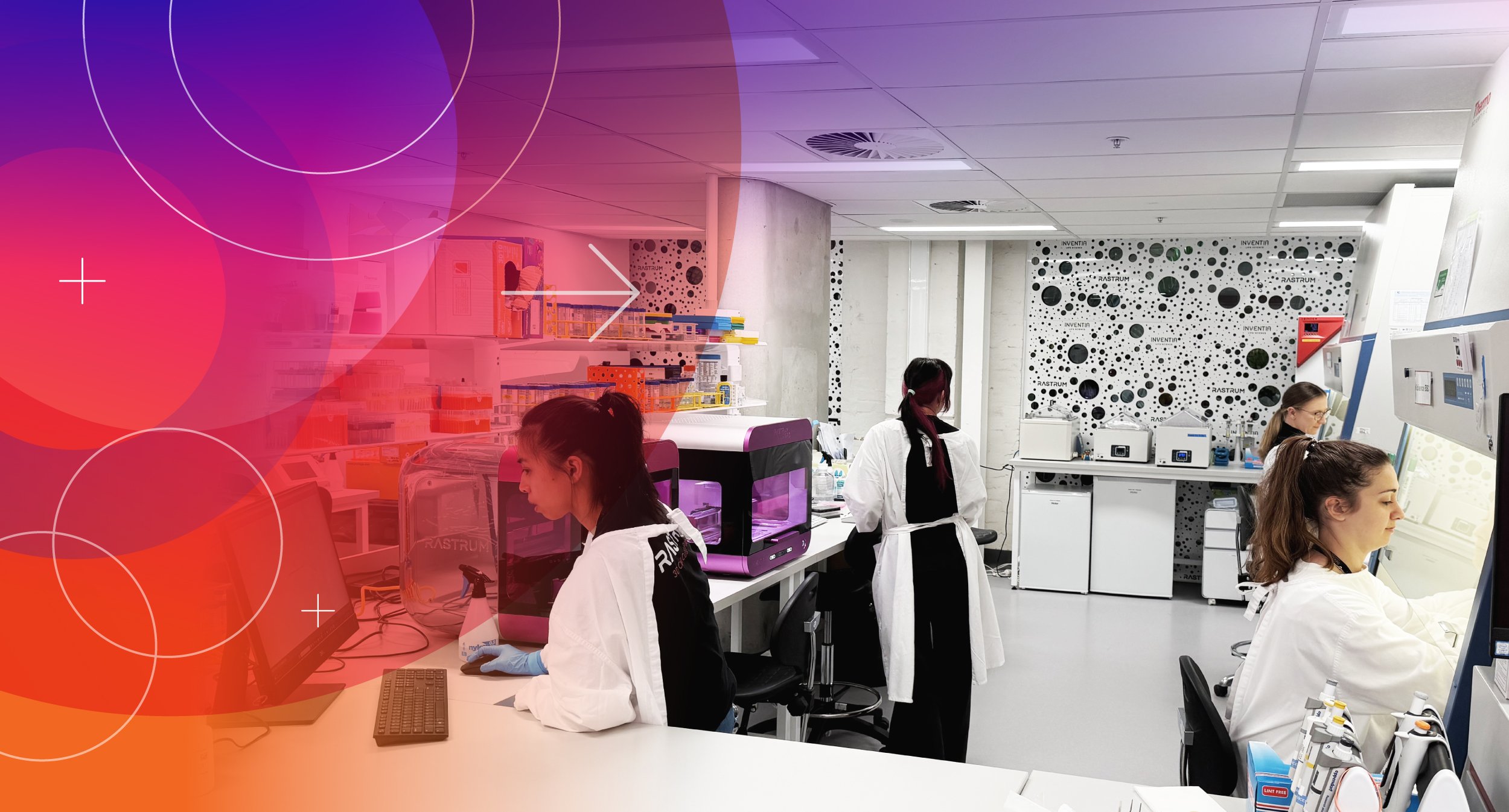
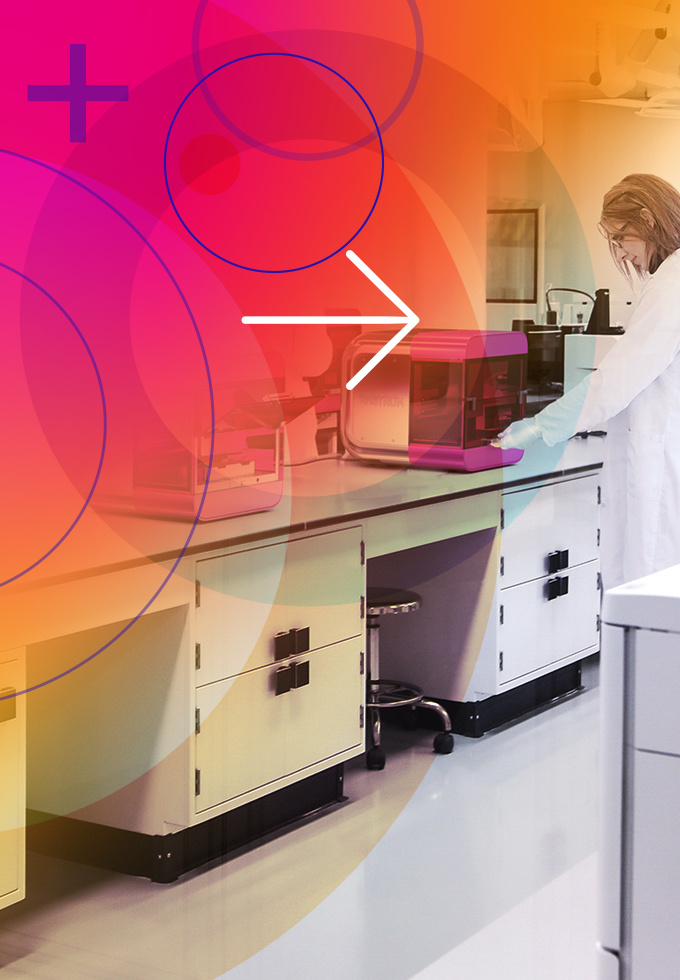
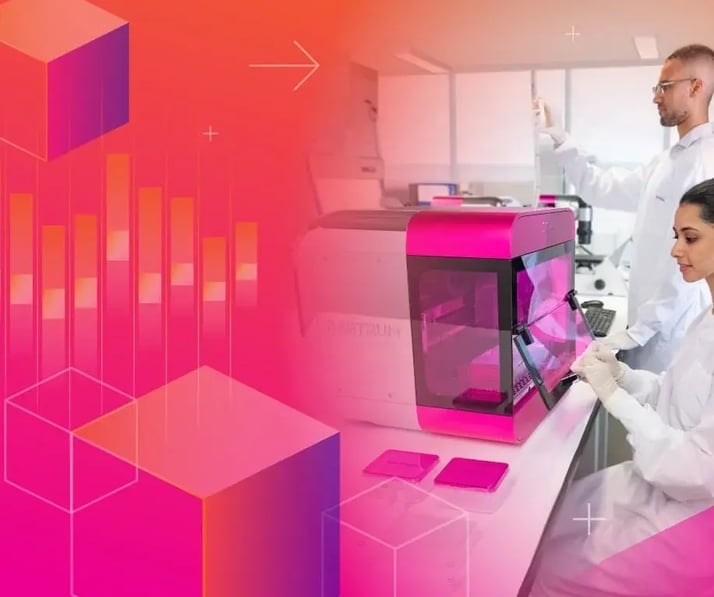
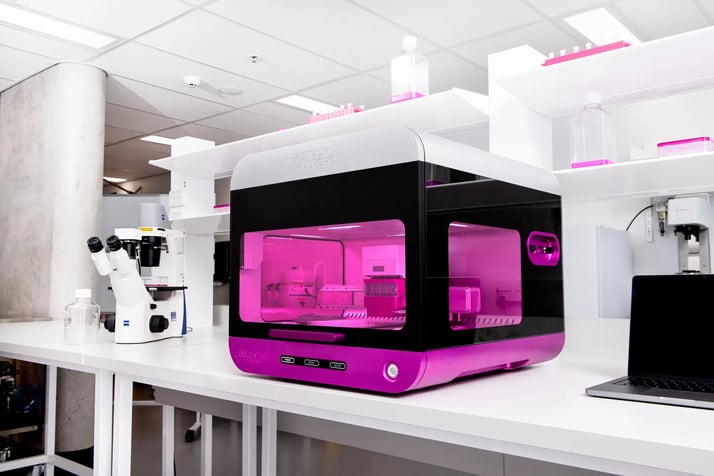
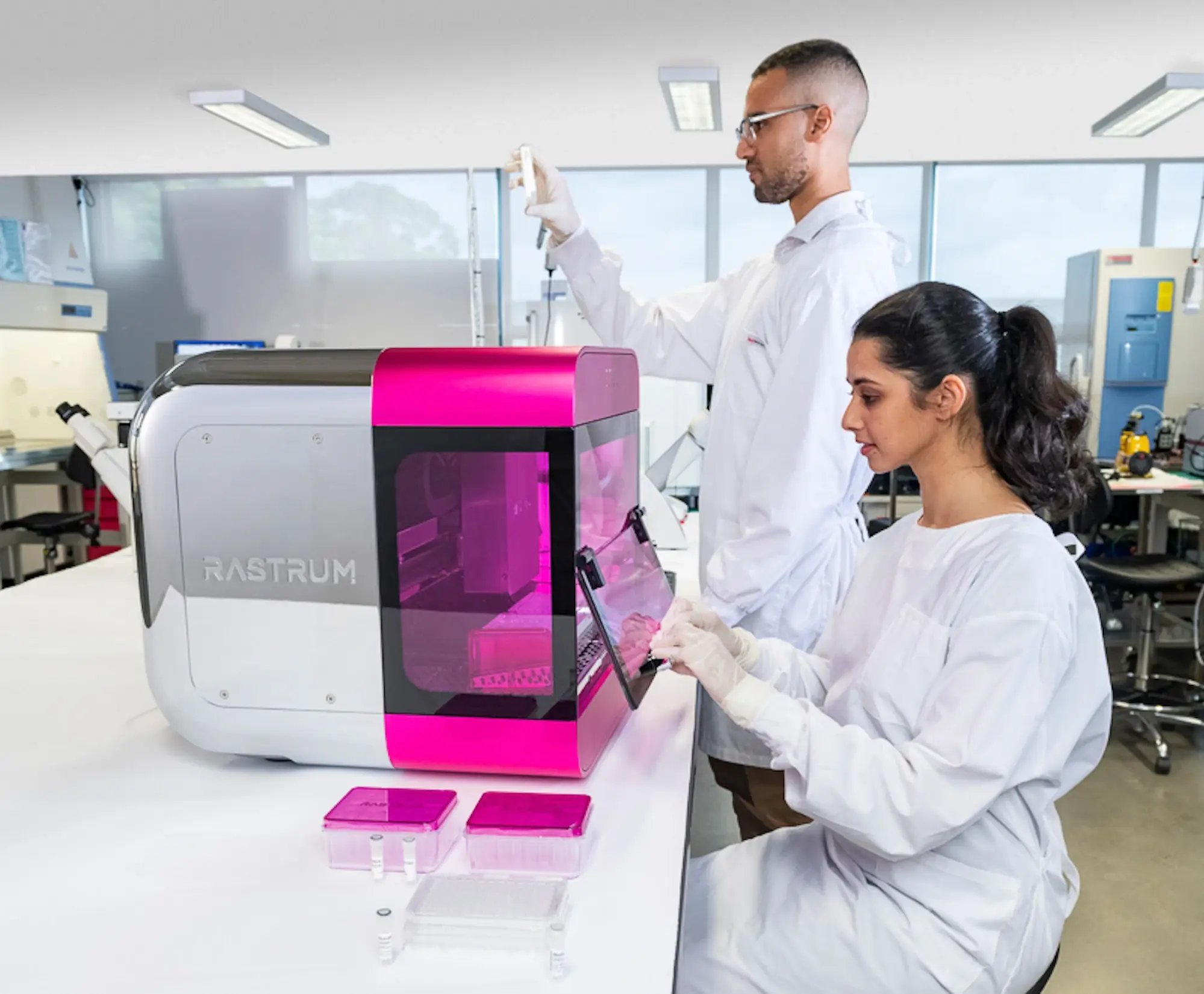
Scientist operating the RASTRUM Allegro 3D cell culture platform in a lab. The system enables high-throughput, reproducible 3D cell model generation for drug discovery and translational research.

Why Work with Inventia?

Inventia Life Science isn’t just a technology provider—we’re your partner in building end-to-end 3D discovery workflows that drive your programs forward.

  • Expert consultation by PhD-level scientists with world-leading experience in advanced 3D cell models
  • Rapid project initiation with collaborative milestone planning
  • Seamless fit with gold-standard downstream workflows, readouts, and automation
  • Transparent, flexible engagement—from short studies to long-term enablement

We are thrilled to partner with Inventia Life Science to develop more physiologically relevant models for neurodegenerative diseases. These models will be key for our future drug discovery initiatives.
Executive Director,
Top 20 Pharma
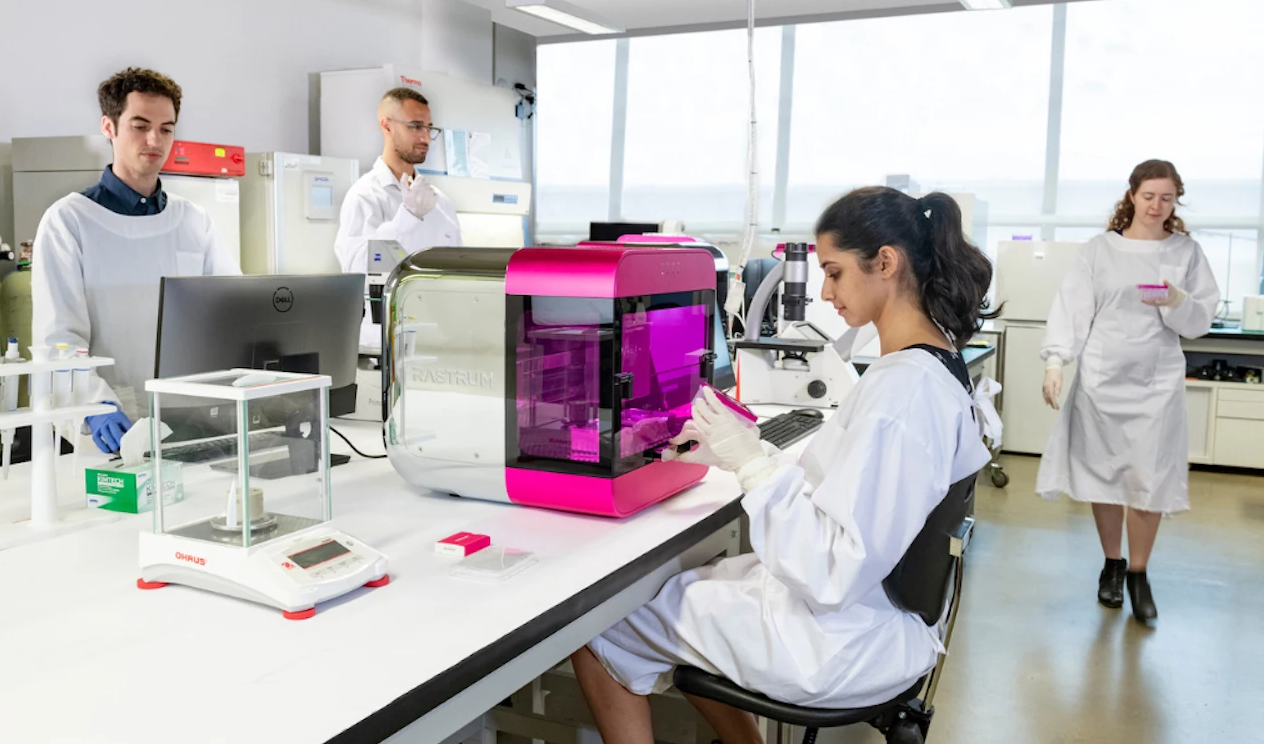
Rastrum at work
Ready to discuss your project? Share a few details and one of our specialists will be in touch to help scope your goals.

What services does Inventia Life Science offer?

Whether you're developing models in-house or looking for a full-service partner, Inventia offers a flexible suite of Discovery Services to meet your research goals. From matrix optimization and morphology assays to custom co-cultures and screening-ready formats, our modular approach lets you start where you need—and scale as your workflow evolves.

Explore our core service packages below, from foundational PrintRun optimization to fully integrated screening support:

Model Optimization

  • Fine-tune matrices, cell densities, and formats—tailored to your biology. Ideal for teams establishing or optimizing 3D models for their disease area or cell type of interest.

Custom Development Projects

  • Collaborate with Inventia scientists to design models around your assay needs. Whether exploring immune–tumor dynamics, matrix stiffness, or complex co-culture architectures, we support iterative development aligned with your functional endpoints.

End-to-End 3D Workflow Development

  • Lean on our team’s expertise in adapting gold-standard analysis workflows to 3D models. We will custom develop end-to-end model generation, treatment, and analysis pipelines aligned with your program’s requirements.

High-Throughput Screening (HTS) Enablement

  • Speed up screening with models optimized for plate-based automation. Includes protocol documentation, QC standards, and assay-ready outputs for imaging, viability, gene expression, and more.

Scientific Support & Tech Transfer

  • Every project includes consultative experimental design, agile execution, deep data analysis and reporting,, and full tech transfer packages for in-house implementation. Whether you're new to 3D or scaling a platform, we meet you where you are.
Can Inventia Life Science customize services to meet our project needs?

Absolutely. Inventia’s modular approach is built to accommodate a wide range of research needs. We work closely with your team to customize matrix, model architecture, cell types, readouts, and workflows—whether you’re optimizing for a particular indication, building complex co-cultures, or enabling disease-relevant phenotypic screening.

Each project is developed in consultation with your scientists to ensure alignment with your goals, timelines, and downstream assays.

How does technology transfer work with Inventia Life Science?

At the conclusion of your project, you’ll receive a complete transfer package designed for immediate use in your lab. This includes:

  • Detailed protocols for cell culture, model generation, and assays

  • Annotated reports summarizing optimization results and recommendations

  • Data and images delivered via secure file transfer (e.g., SharePoint or AWS)

Whether you're scaling up for screening or continuing research in-house, we ensure a smooth handoff to support your next steps with confidence.

What downstream applications do you have experience with?

Inventia Life Science supports a wide range of downstream applications, including gold-standard metabolic & cytokine analyses, high-content imaging, and omics analyses.. Our team has deep experience adapting standard cellular and molecular assays for use with RASTRUM 3D models.

If your project requires something more specialized, our team is equipped to develop novel readouts to meet your goals. For examples of validated applications, explore our application note library.


How can we start a project?

Commencing a study with Inventia Life Science is simple. Reach out to us through our website or your regional representative, and we’ll schedule a discovery call to discuss your goals. Based on this discussion, we’ll draft a tailored statement of work for your review. Once approved—either directly or via platforms like Scientist.com or Science Exchange—we’ll hold a kickoff meeting, manage materials transfer, and get your project underway.

What is the typical timeline for a project?

Timelines depend on the level of customization and complexity required. After an initial consultation, we’ll develop a work plan with clear phases and milestones. Most projects begin within 2–4 weeks after approval. Our team maintains close communication throughout to keep you informed of progress and any timeline adjustments.

How does Inventia Life Science handle intellectual property and confidentiality?

Inventia Life Science follows strict confidentiality practices to protect your data. All project information remains secure and is never shared without your written consent.

When it comes to IP, any custom protocols or biological data generated during your project are owned by you. Inventia Life Science retains ownership only of the underlying RASTRUM matrices and printing technologies used in the workflow.

Is there support available after the completion of a project?

Yes—our partnership doesn’t end when the project wraps. We continue to offer remote support, including technical guidance and scientific consultation. If you’re a RASTRUM user, your Customer Success specialist will remain your primary contact. For custom projects or model transfer, our scientific team is always available to help troubleshoot, adapt, and optimize as your needs evolve.

FAQs
What is the difference between Discovery Mode, Validated Solutions, and Discovery Services?
Discovery Mode supports flexible development of new or customized 3D models. Validated Solutions provide predefined workflows for specific contexts of use. Discovery Services provides Inventia scientific support to develop, run, optimize, or transfer 3D disease model workflows when additional customization or study execution is needed.
What are Inventia Discovery Services?
Inventia Discovery Services help researchers develop, optimize, run, and transfer RASTRUM-based 3D disease model workflows. Services can support teams that need a disease model, therapeutic-response study, feasibility assessment, assay readout, reporting package, or custom context-of-use workflow for a specific program.
How does Inventia help optimize 3D cell models?
Researchers can use RASTRUM workflows to optimize many 3D model parameters, including matrix selection, cell density, cell ratios, architecture, culture conditions, timing, morphology, viability, QC criteria, and downstream assay compatibility. Discovery Services can be added when teams need Inventia scientists to accelerate model design, assess feasibility, refine conditions, generate supporting data, or prepare a workflow for transfer.
Can Inventia run 3D screening programs for customers?
Yes. Through Discovery Services, Inventia can run treatment-response, screening, or functional studies using RASTRUM-based 3D disease models when the project scope, cells, matrix, architecture, assay, and readouts are technically feasible. Project design, deliverables, and transfer options are defined during scoping.
What is a custom RASTRUM disease model workflow?
A custom RASTRUM disease model workflow is a 3D workflow developed or adapted for a customer’s specific disease biology, cell source, co-culture, assay, readout, or context of use when an existing Validated Solution does not fully meet the need. Deliverables depend on agreed project scope, supporting data, and success criteria.
How does technology transfer work in a Discovery Services project?
Technology transfer can include protocols, data packages, images, model and assay recommendations, QC guidance, training, troubleshooting, and scientific support. The goal is to help customers reproduce or continue a disease model workflow in their own lab when appropriate. The transfer plan depends on project scope and customer readiness.
Can a RASTRUM workflow move from Inventia-led services into a customer’s lab?
Yes. Discovery Services can support a path where Inventia helps develop, optimize, or run an initial 3D disease model workflow and then transfers protocols, data, recommendations, and practical know-how to the customer’s team for in-house implementation. The transfer plan depends on project scope and customer readiness.
Can a RASTRUM Validated Solution be customized?
An available RASTRUM Validated Solution can sometimes serve as a starting framework when a customer needs different cells, assays, readouts, matrices, or biological constraints than the predefined workflow supports. Changes may require additional optimization and supporting evidence. Depending on scope, customization may be handled through Discovery Mode or Discovery Services.
What downstream applications can Discovery Services support?
Discovery Services can support or adapt downstream workflows when they are feasible for the disease model and study question, including high-content imaging, viability assays, gene expression, metabolic analysis, cytokine analysis, omics workflows, phenotypic screening, functional endpoint development, and novel readouts.
What does a customer receive at the end of a Discovery Services project?
Depending on project scope, customers may receive study design, recommended 3D model conditions, matrix and architecture guidance, assay and readout recommendations, treatment-response or functional data, scientific interpretation, protocols or SOP-style guidance, QC criteria, and workflow transfer support. Deliverables should be defined in the statement of work before the project begins.
How does a Discovery Services project start?
A Discovery Services project typically starts with a discussion of the customer’s disease biology, therapeutic question, model requirements, cell system, materials, context of use, readouts, timeline, and success criteria. Inventia then scopes the work, prepares a tailored statement of work, and begins kickoff and materials transfer after approval.
How long does a Discovery Services project take to start?
Discovery Services project start times vary depending on customization, complexity, material availability, and project scope. Many projects can begin within 2-4 weeks after approval, but timelines should be confirmed during scoping.
Who owns the data from a Discovery Services project?
Data ownership and confidentiality are governed by the applicable agreement. In typical projects, customer-specific biological outputs are treated as customer project data, while Inventia retains ownership of underlying RASTRUM matrices, printing technologies, methods, and platform intellectual property.
What support is available after a Discovery Services project is complete?
Post-project support may include scientific consultation, troubleshooting, workflow adaptation, technology-transfer support, remote technical support, and Customer Success support for RASTRUM users. The exact support model depends on the project scope, technology-transfer plan, and whether the workflow is being adopted in-house.
How do I know whether to use a Validated Solution or Discovery Services?
Use a Validated Solution when a predefined workflow already matches your biological context of use. Use Discovery Services when you need a different disease model, cell source, co-culture, matrix condition, readout, or therapeutic question developed or adapted with Inventia scientific support.
What disease models can Inventia Discovery Services support?
Inventia Discovery Services can support RASTRUM-based 3D disease model development across oncology and tumor microenvironment research, including pancreatic cancer / PDAC, colorectal cancer, ovarian, breast, and lung cancer contexts; immuno-oncology; fibrosis and stromal biology; neurodegenerative disease; and custom disease models where the cells, matrix, architecture, culture conditions, and readouts are technically feasible.
Can Inventia develop a custom 3D disease model for my therapeutic program?
Discovery Services can help assess, develop, run, and transfer custom 3D disease model workflows when an existing Validated Solution does not fully fit. Projects typically begin by defining the disease biology, cell system, therapeutic question, context of use, readouts, timeline, and success criteria.
Can Discovery Services support oncology and tumor microenvironment models?
Discovery Services can support oncology and tumor microenvironment model development, including tumor-stroma co-culture, CAF biology, dense tumor biology, treatment response, and custom context-of-use studies. Disease areas may include PDAC, colorectal cancer, ovarian, breast, and lung cancer, depending on project feasibility.
Can Discovery Services support immuno-oncology models?
Discovery Services can support immuno-oncology model development where tumor-immune interactions, immune-cell behavior, infiltration, cytokine response, or immune-mediated activity are central to the research question. Suitability depends on cell sources, matrix, architecture, timing, and readouts.
Can Discovery Services support fibrosis or stromal biology models?
Discovery Services can support fibrosis and stromal biology workflows involving fibroblast activation, CAF biology, stromal signaling, extracellular matrix remodeling, and treatment-response questions where the model can be designed around compatible cells, matrices, architectures, and readouts.
Can Discovery Services support neurodegenerative disease models?
Discovery Services can support custom 3D model development for neurodegenerative disease research where a fit-for-purpose model is needed to represent disease biology, evaluate treatment response, or generate feasibility data. Model scope depends on cell type, culture conditions, matrix, architecture, and readouts.