Home platform workflow paths

Workflow Paths

Biologically relevant data you can act on.

RASTRUM Workflow Paths help you generate reproducible, biologically relevant 3D results, your way.  Choose your path based on how much flexibility or validation your workflow requires.

Choose Discovery Mode for a flexible path for new model development.

Choose Validated Solutions for a predefined blueprint for a specific context of use.

Discovery-Mode

Discovery Mode

Flexible workflow development with RASTRUM

Discovery Mode is the pathway for teams who want flexible 3D cell model design with RASTRUM.

Design your model your way, supported by Inventia Life Science recommendations for matrices, cell input numbers, model architectures, and standard protocols

You control:

• Cell input and desired model architectures
Matrix selection and tuning
• Optimization of cell density, media, timing, and downstream workflows

What you get

• Reproducible and scalable 3D cell model creation
• Guided experimental planning using RASTRUM Cloud
• Best-practice workflows and protocol libraries

Discovery Mode supports exploratory biology, new assay development, and early-stage workflow design.
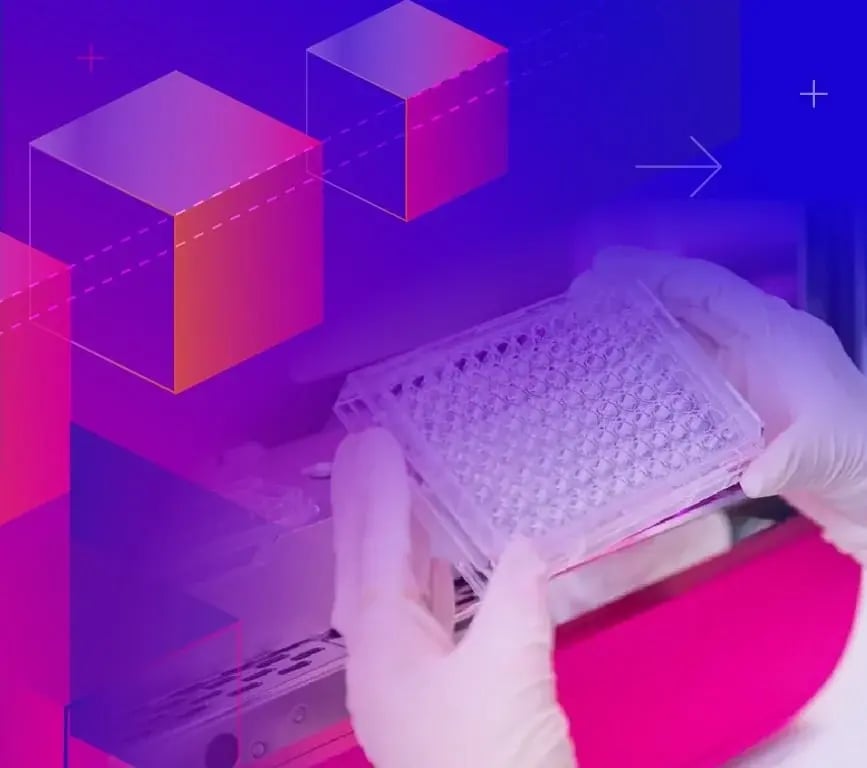
 

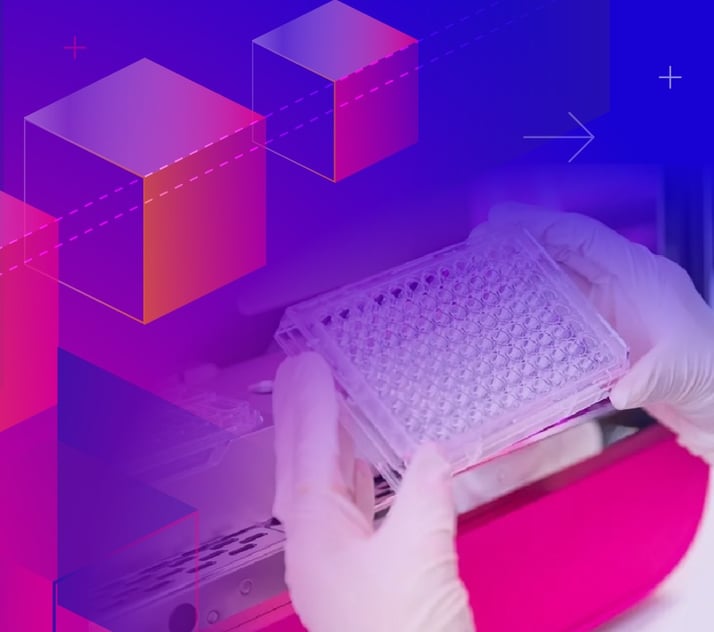
Gloved hands holding a 96-well microplate at the RASTRUM Allegro bioprinter, representing validated 3D cell culture workflows

Validated Solutions

Predefined blueprints for reproducible 3D data in a specific context of use

Validated Solutions are designed as repeatable blueprints for specific disease models and research applications using RASTRUM. 

Each blueprint includes:

•  Protocol Pack covering build parameters: matrix, cell input density and ratios, cell model architecture, and media recommendations

Data Pack containing a summary of biological and functional validation related to context of use

These blueprints streamline setup and accelerate the path from model build to results you can act on.
FAQs
What are RASTRUM Workflow Paths?
RASTRUM Workflow Paths are Inventia’s routes for helping researchers build, run, and adopt 3D cell model workflows. The main paths include Discovery Mode for flexible model development and Validated Solutions for predefined workflows in specific contexts of use, with Discovery Services available for expert support.
What is the difference between Discovery Mode, Validated Solutions, and Discovery Services?
Discovery Mode supports flexible development of new or customized 3D models. Validated Solutions provide predefined workflows for specific contexts of use. Discovery Services provides Inventia scientific support to develop, run, optimize, or transfer 3D disease model workflows when additional customization or study execution is needed.
Can a RASTRUM workflow move from Inventia-led services into a customer’s lab?
Yes. Discovery Services can support a path where Inventia helps develop, optimize, or run an initial 3D disease model workflow and then transfers protocols, data, recommendations, and practical know-how to the customer’s team for in-house implementation. The transfer plan depends on project scope and customer readiness.
Can a RASTRUM Validated Solution be customized?
An available RASTRUM Validated Solution can sometimes serve as a starting framework when a customer needs different cells, assays, readouts, matrices, or biological constraints than the predefined workflow supports. Changes may require additional optimization and supporting evidence. Depending on scope, customization may be handled through Discovery Mode or Discovery Services.
How do I know whether to use a Validated Solution or Discovery Services?
Use a Validated Solution when a predefined workflow already matches your biological context of use. Use Discovery Services when you need a different disease model, cell source, co-culture, matrix condition, readout, or therapeutic question developed or adapted with Inventia scientific support.
Can Inventia develop a custom 3D disease model for my therapeutic program?
Discovery Services can help assess, develop, run, and transfer custom 3D disease model workflows when an existing Validated Solution does not fully fit. Projects typically begin by defining the disease biology, cell system, therapeutic question, context of use, readouts, timeline, and success criteria.