Inventia Life Science | RASTRUM Platform for Reproducible, Scalable 3D Cell Models
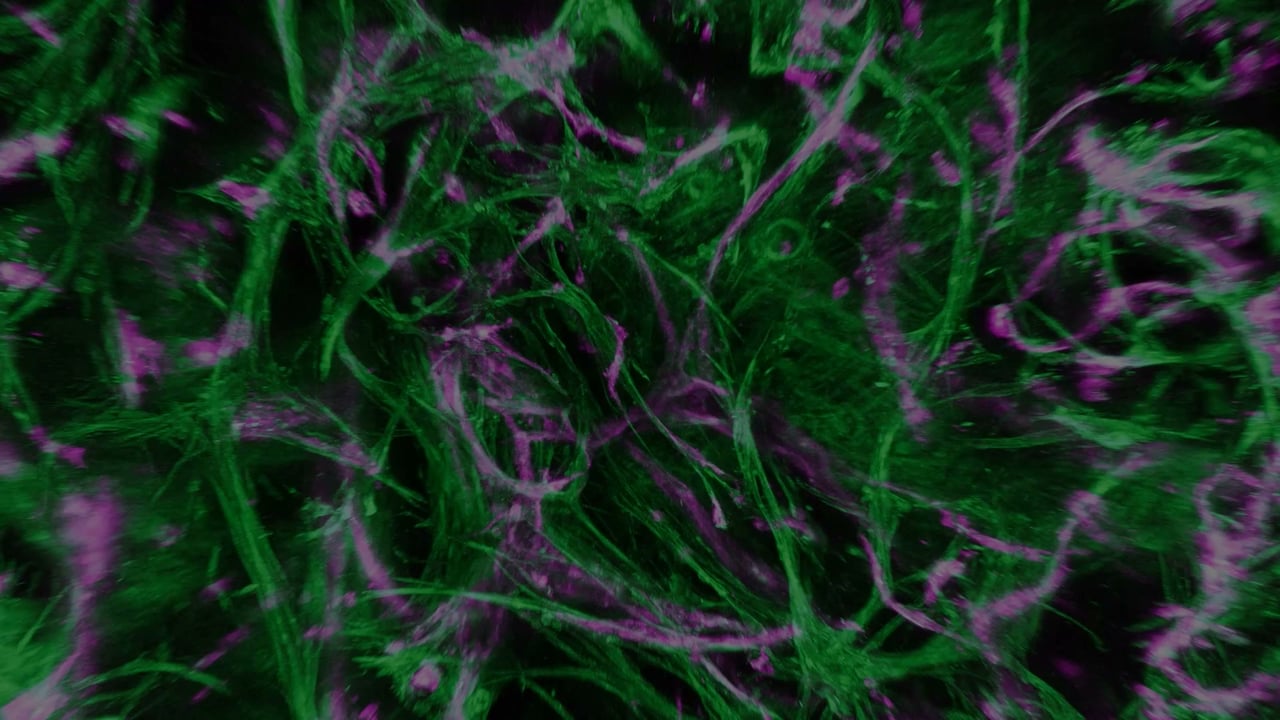
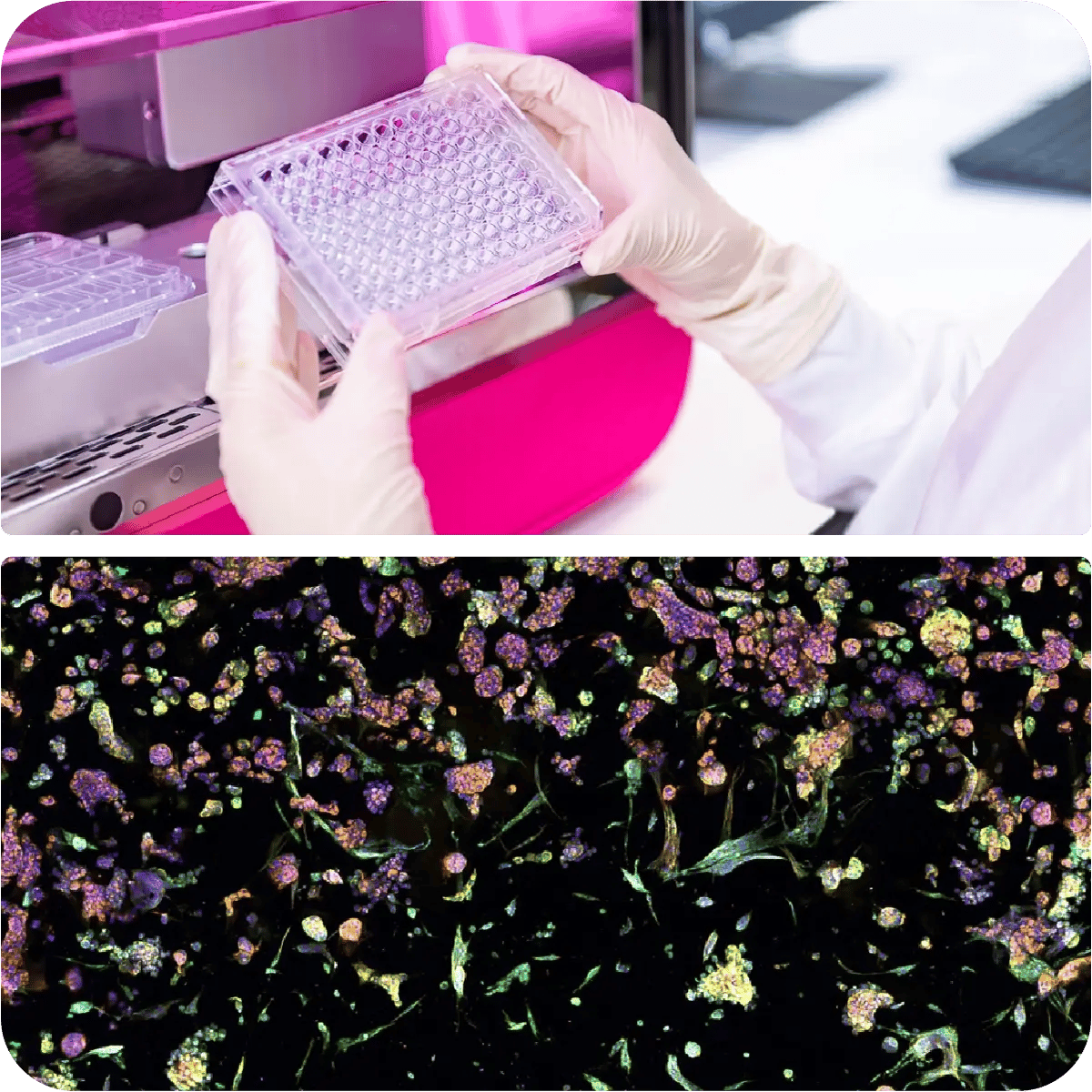
Decision-grade data from reproducible cell models
Standardized workflows at scale, so results stay comparable across runs and teams — across applications from cancer research and the tumor microenvironment to drug discovery.
- Assay-ready 3D models in standard plates
- Reproducibility for confident go or no-go decisions
- Fit-for-purpose biology, tuned to your context of use
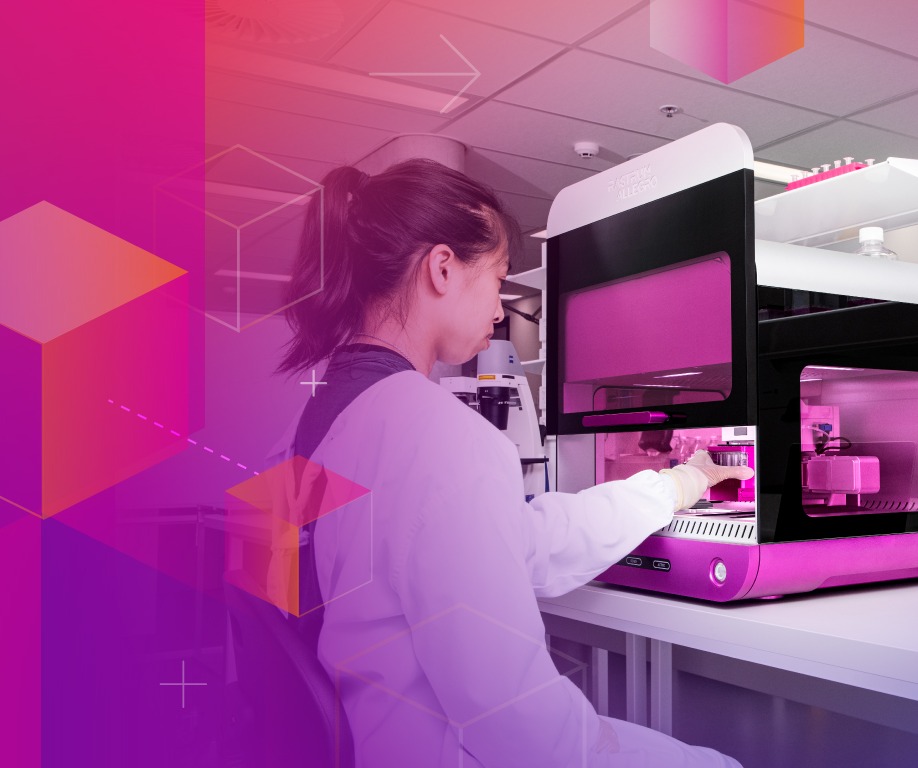
Comprehensive end-to-end workflow paths
RASTRUM Workflow Paths help you generate reproducible, biologically relevant 3D results with the level of flexibility, validation, and support that fits your workflow.
Discovery Mode
Build to your specifications, then standardize for routine decisions.
RASTRUM Validated Solutions
A blueprint to get you started. A validated path for defined context of use.
Discovery Services
Expert support to accelerate your drug discovery program, from model optimization to screening workflows.
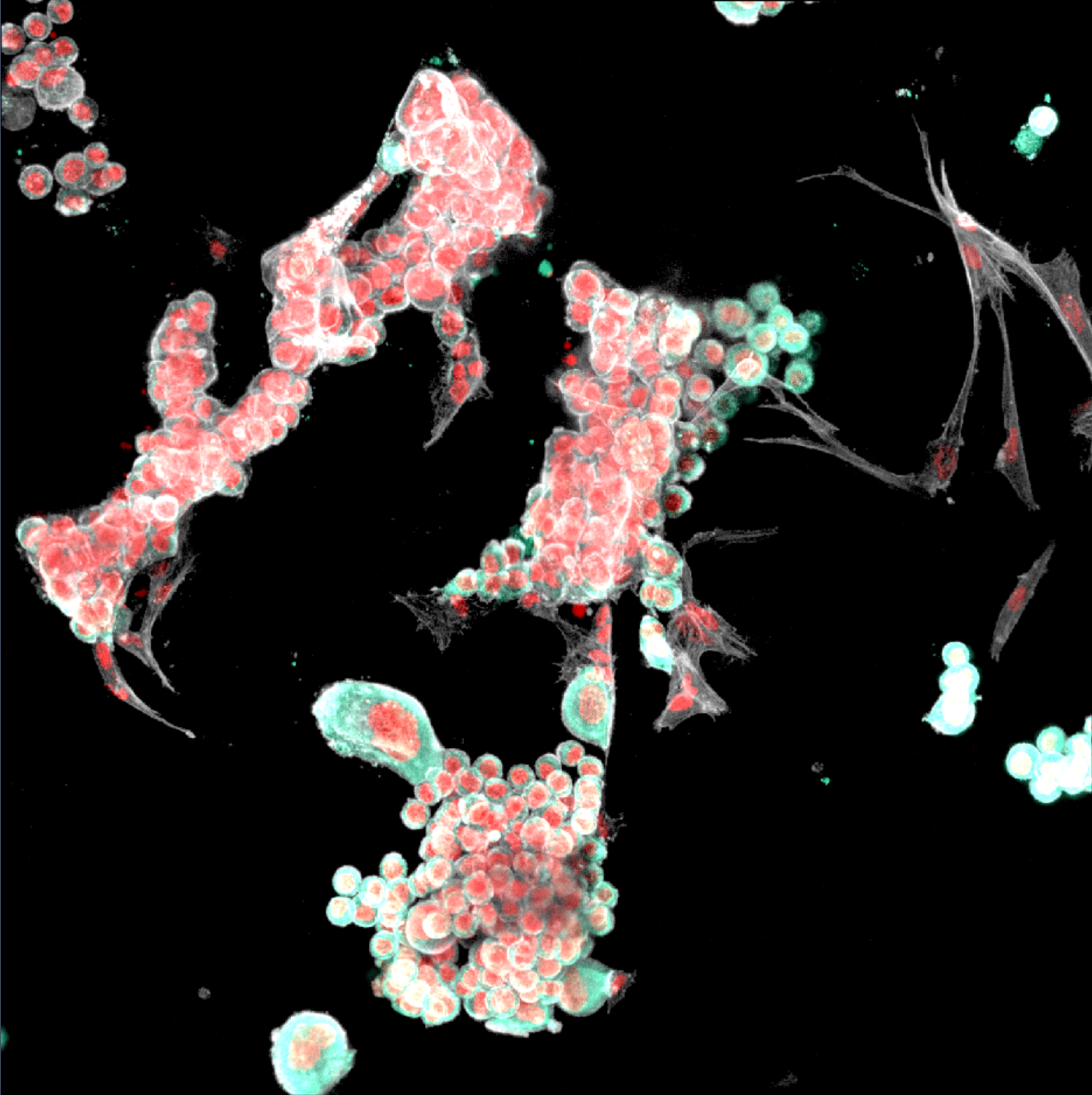
How teams get to decision-grade data
You start by defining the decision you need to make. Then you standardize the biology, workflow, and readouts so results stay comparable across runs and teams.
Choose your pathway
- Discovery Mode: explore biology, iterate quickly
- Validated Solutions: start fast with predefined blueprints for specific context of use
- Discovery Services: develop fit-for-purpose biology and functional readouts with Inventia Life Science
Standardize and scale
- Human-relevant biology, built for your context
- Reproducible results across experiments, operators, and teams
- Faster path from model setup to actionable data
- Precision in model generation and readout consistency
- Ready for standard lab workflows and downstream analysis
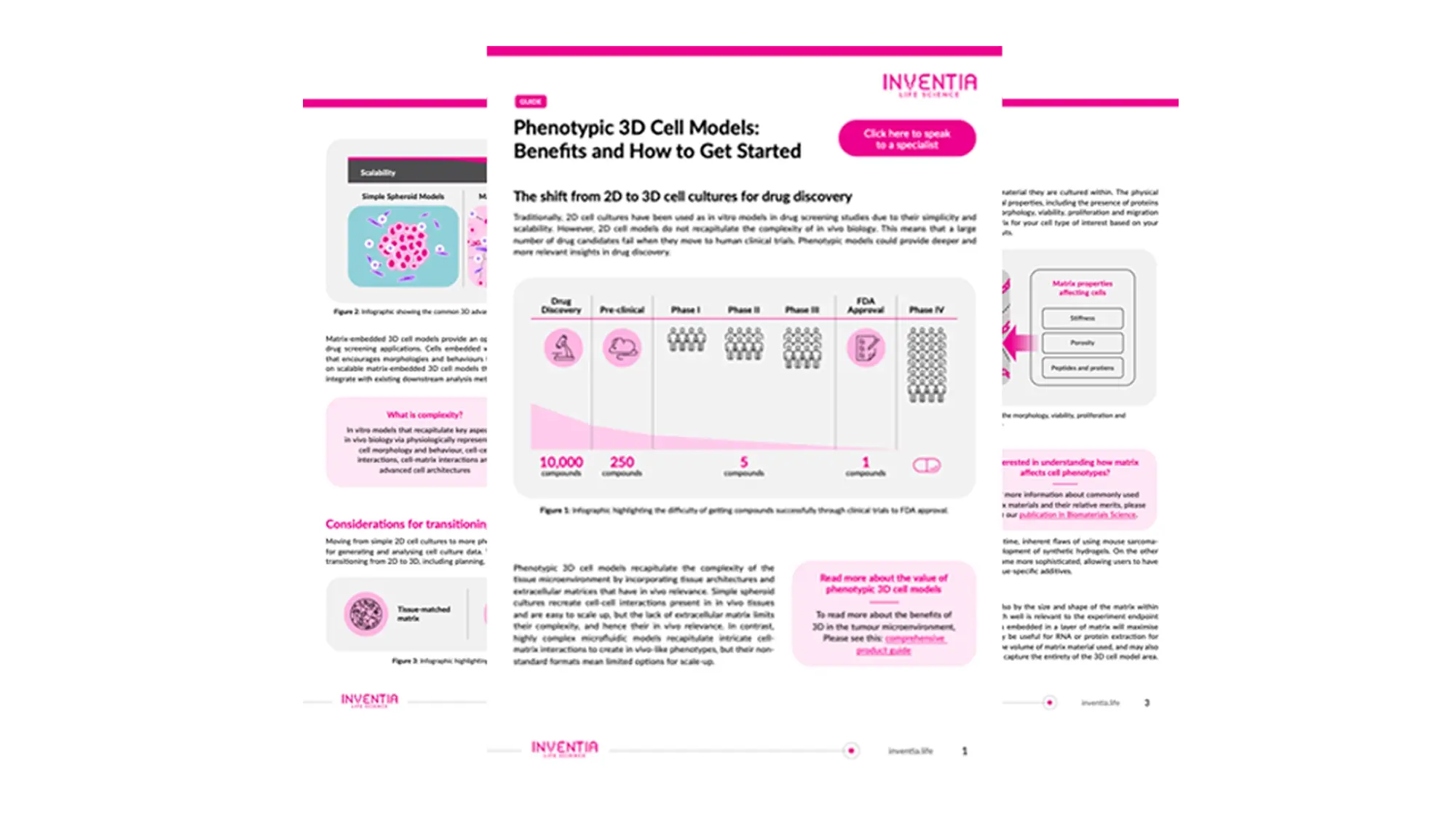 Phenotypic 3D cell models: Benefits and how to get started
This guide will help you move beyond traditional 2D cell cultures, offering a deeper and more reliable starting point with phenotypic models for drug discovery.
Phenotypic 3D cell models: Benefits and how to get started
This guide will help you move beyond traditional 2D cell cultures, offering a deeper and more reliable starting point with phenotypic models for drug discovery.
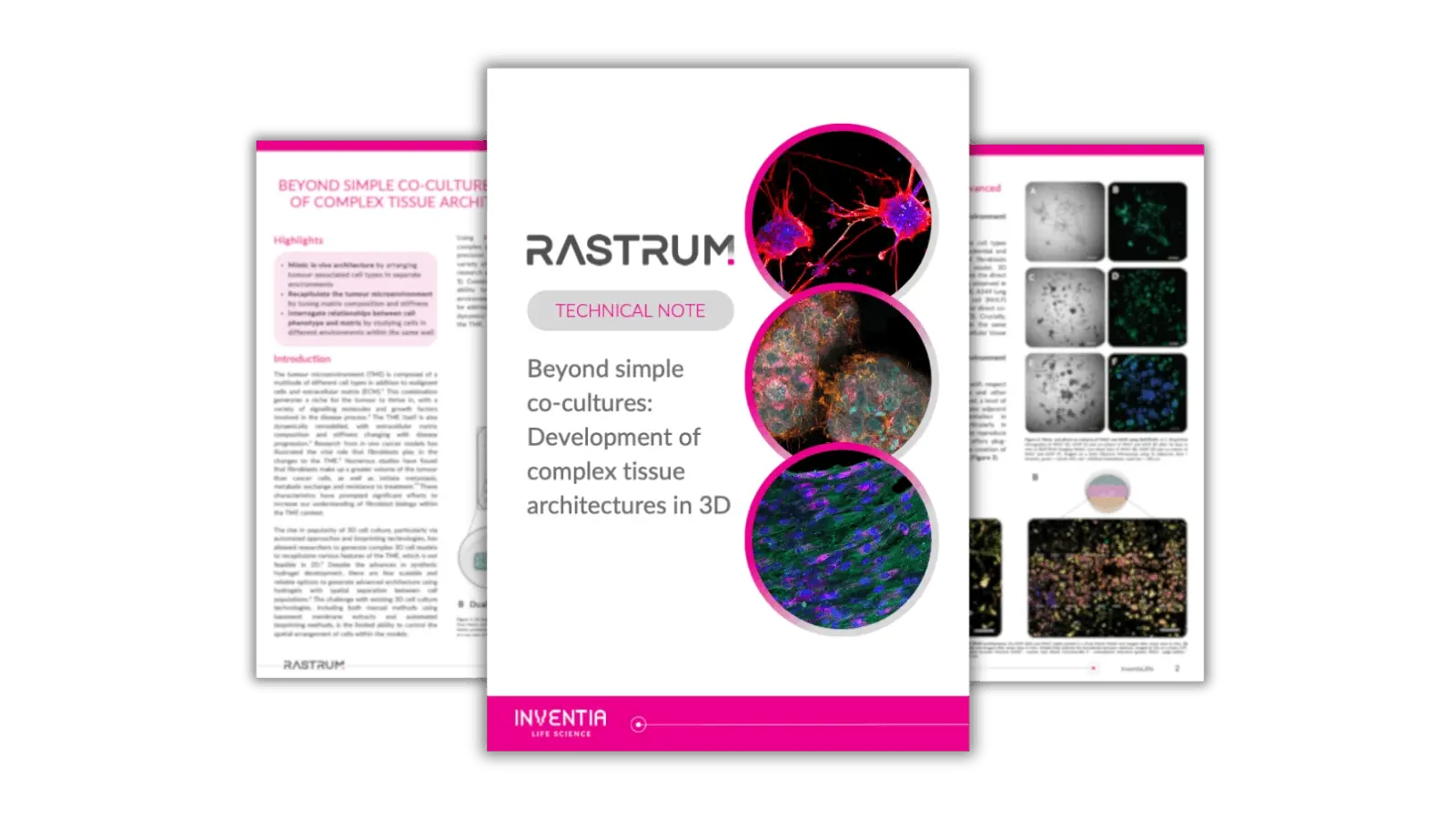 Beyond simple co-cultures: Development of complex tissue architectures in 3D
This technical note will help you explore the tissue microenvironment with 3D culture.
Beyond simple co-cultures: Development of complex tissue architectures in 3D
This technical note will help you explore the tissue microenvironment with 3D culture.
 Scalability and reproducibility for high-throughput biological modeling in 3D cell culture
This application note showcases how RASTRUM™ Allegro enables consistent and reproducible 3D culture across plates to support high-throughput drug screening and robust biological modeling.
Scalability and reproducibility for high-throughput biological modeling in 3D cell culture
This application note showcases how RASTRUM™ Allegro enables consistent and reproducible 3D culture across plates to support high-throughput drug screening and robust biological modeling.